Renting a dress once instead of buying it for one event is no longer a niche habit. Rent the Runway reported 155,692 active subscribers in April 2026, up 5.8% year over year. That demand shows why fashion rental still attracts new business owners. But the opportunity is not simply buying dresses and listing them online. The right niche, pricing, inventory, and booking process matter. These rental dress business ideas will help you find a model worth testing and show you how to start it.
Is a Dress Rental Business Worth Starting?
At its core, a successful dress rental business is really about solving a simple problem: most of us have events where we need a stunning outfit for just one night, but buying an expensive dress that will sit in the closet afterward just doesn’t make sense.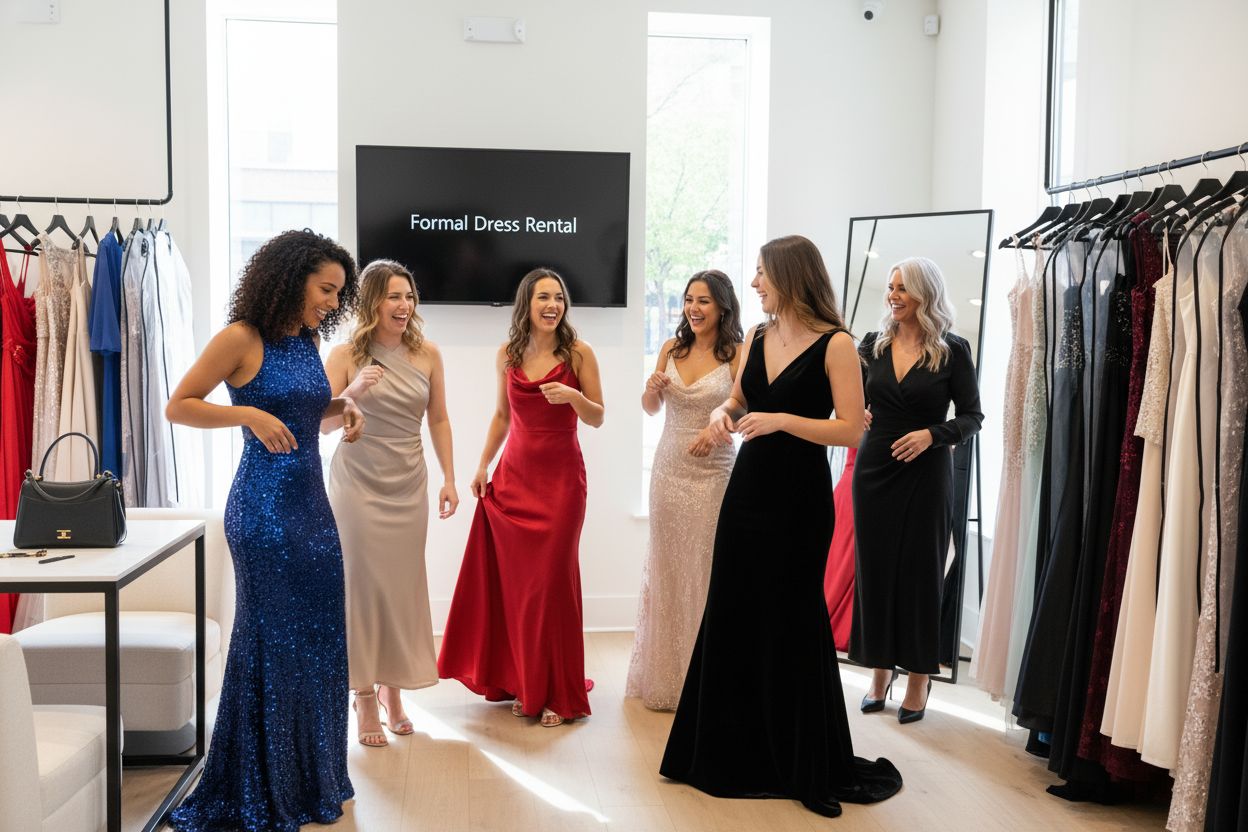
Rental bridges that gap perfectly. It gives customers access to the looks they want without the investment, and it turns a single garment into a recurring revenue stream for you. It’s a proven model, too. Take Rent the Runway, for instance – they finished the first quarter of 2026 with $89.9 million in revenue and over 155,000 active subscribers, proving that the demand for smarter access to fashion is very real.
That said, it’s not as passive as just buying dresses and collecting fees. Behind every booking is a cycle of logistics: packing, shipping, inspecting, dry cleaning, and making repairs.
The most successful owners aren’t the ones with the biggest inventory, but the ones who manage those costs efficiently and ensure their customers can consistently find the exact size and style they need.
12 Rental Dress Business Ideas
A focused niche gives a new merchant a clearer place in the market. It also makes inventory planning easier. These ideas cover different occasions, customers, and rental models.
1. Wedding Guest Dress Rental
Weddings create repeat demand for formal clothing. A customer may attend several weddings each year but want a different look for each one.
A wedding guest rental store can organize dresses by dress code. Useful groups include cocktail, formal, black tie, beach, garden, and destination weddings.
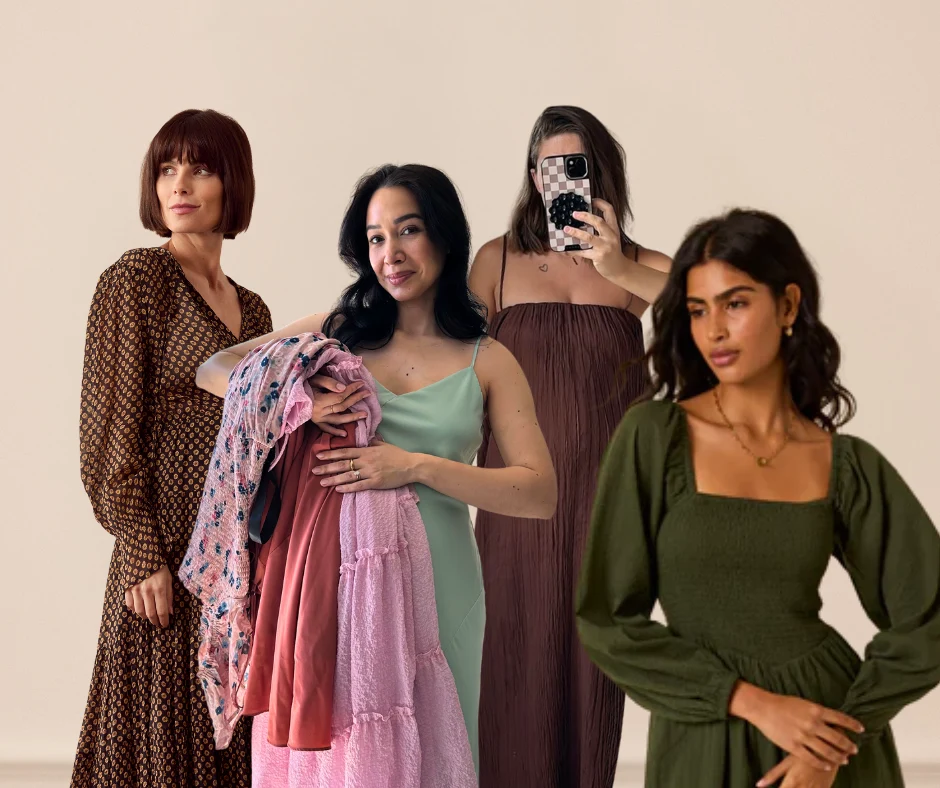
The store can also build collections around season and price. “Summer wedding dresses under $100” is easier to shop than a large, mixed catalog.
This niche works especially well when the merchant keeps strong size coverage. Customers need to know that a preferred style is available in the right size.
2. Prom and Homecoming Dress Rental
Prom dresses often have a high purchase price and a short useful life. Many customers wear the dress once, then store it.
Rental gives those customers a lower-cost option. The store can focus on ball gowns, sequin dresses, fitted styles, and shorter homecoming dresses.
This business is seasonal, so buying and marketing need careful timing. Stock should be ready well before local prom dates.
3. Bridesmaid and Bridal Event Dress Rental
A bridal rental business can serve more than the wedding ceremony. Customers also need dresses for engagement parties, showers, rehearsal dinners, receptions, and after-parties.
Bridesmaid rentals create another opportunity. A bridal party may need several coordinated dresses in different sizes.
This model rewards consistent sizing and color availability. A merchant should avoid carrying one beautiful dress with no matching alternatives.
4. Designer Dress Rental
Designer rental sells access instead of ownership. Customers get premium fashion for a smaller amount than the full retail price.
The merchant can focus on established luxury labels or newer designer brands. The collection should still match a clear event type or audience.
Expensive stock creates more risk, so every purchase needs a simple profit check. The expected rental income should cover cleaning, repairs, handling, and possible damage.
5. Plus-Size Occasion Dress Rental
Plus-size rental can compete through availability, not just style. Many customers care more about finding the right size than seeing hundreds of designs.
A focused store can cover cocktail dresses, formal gowns, wedding guest looks, and bridesmaid styles. The merchant can then buy deeper size ranges for proven designs.

Booking data should guide restocking. If one size keeps selling out, that is stronger evidence than general fashion trends.
6. Maternity Dress Rental
Maternity clothing has a naturally limited use period. That makes rental practical for customers who need a special dress for a short time.
The business can serve maternity photoshoots, baby showers, weddings, and pregnancy announcements. Dramatic photoshoot gowns can be a strong specialty.
Photographers can also become repeat customers. A photographer may rent different dresses for several clients during one season.
7. Photoshoot and Creator Dress Rental

Some dresses are more valuable on camera than in daily life. That creates a niche for photographers, influencers, models, and content studios.
The inventory can include statement gowns, vintage pieces, themed clothing, and bold editorial styles. These pieces can attract customers seeking a specific visual effect.
Rental periods may also be shorter. A studio might need a dress for one day instead of a full weekend.
8. Modest and Cultural Occasion Dress Rental
A specialized store can serve customers who need formal clothing with specific coverage, styling, or cultural details.
The catalog might focus on long sleeves, high necklines, floor-length styles, or traditional event wear. It can also offer modern pieces inspired by cultural celebrations.
The value comes from relevance. A focused collection may serve these customers better than a large general rental platform.
9. Vintage and One-of-a-Kind Dress Rental
Vintage rental works because the product is hard to replace. Customers may want a distinctive look that normal retailers cannot offer.
Possible collections include 1920s party dresses, 1950s silhouettes, 1970s styles, and vintage bridal wear.
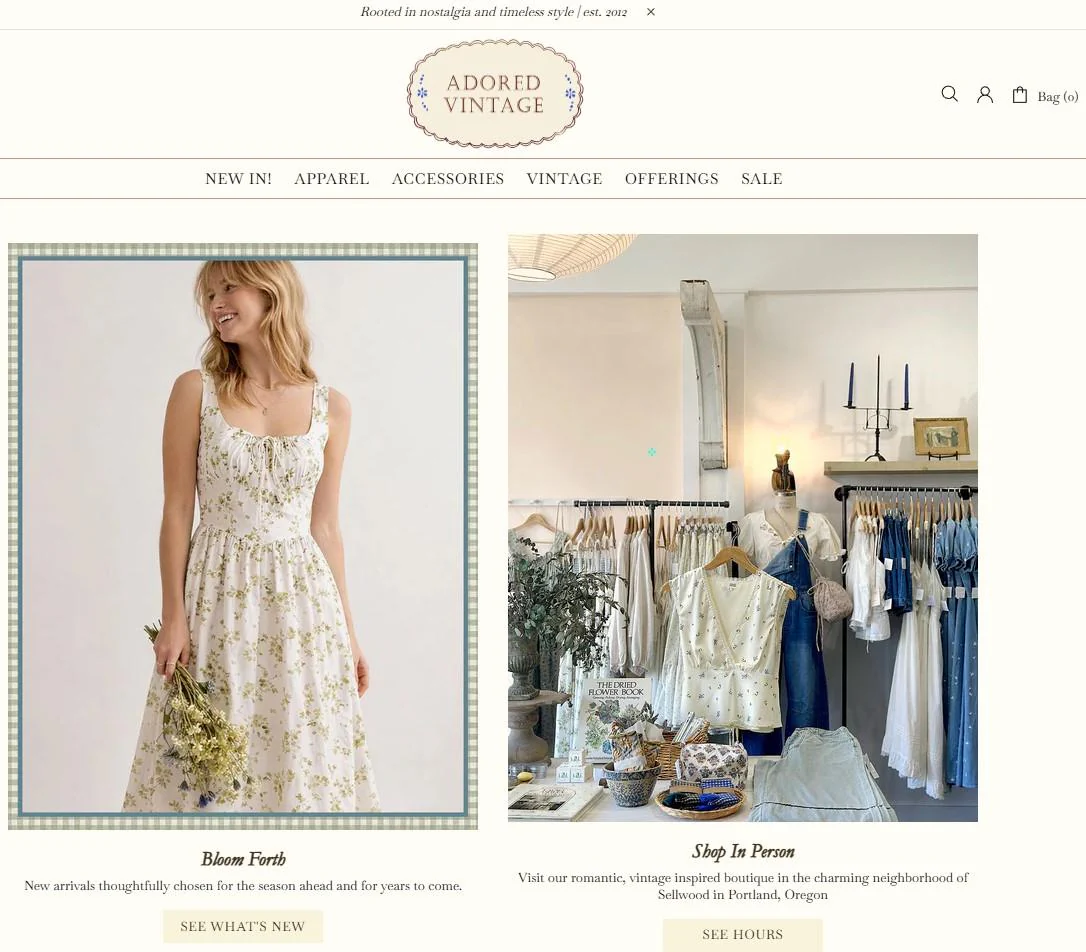
Scarcity creates value, but it also creates risk. A damaged vintage piece may be impossible to reorder.
10. Pageant and Formal Event Dress Rental
Pageants, galas, quinceañeras, and other formal events often require high-impact clothing. Many customers do not need that type of dress often.
A rental store can offer gowns at several price levels. The collection may include classic designs, dramatic pieces, and stage-friendly styles.
Accessories can raise the average booking value. Jewelry, clutches, shawls, and underskirts can be rented with the dress.
11. Vacation and Resort Dress Rental
Vacation customers often want several new outfits for a short trip. Buying a full travel wardrobe can become expensive.
A rental company can create packages for beach holidays, honeymoons, cruises, resorts, and destination weddings.
Bundles may work better than single-item rentals. A customer could book three dresses for one trip and return them together.
12. Monthly Dress Subscription
A subscription changes the business from individual rental fees to recurring revenue. Customers pay monthly and receive a fixed number of items.
Nuuly is a useful current example. Its standard plan costs $98 monthly and includes six rental items. Shipping, returns, laundry, and dry cleaning are included.
A smaller business can use a simpler version. It might offer one dress monthly, two event looks, or a creator package.
How to Start a Dress Rental Business
Learning how to start a dress rental business starts with a simple goal: choose the right niche, control costs, and build a smooth rental process. Here are the details:
1. Choose a Niche and Check Demand
Start with one clear customer group, such as wedding guests, prom shoppers, or maternity photographers.
Then research competitors, rental prices, popular sizes, and customer reviews. This helps you see what customers want before spending money on inventory.
2. Choose a Business Model and Build Your First Collection
Decide how customers will rent from you before you buy too much inventory. A dress rental business can start with one-time rentals for events, monthly subscriptions for frequent wearers, or rental plus resale, where older dresses are sold after they have earned back part of their cost.
For a small online rental brand, a lean starting budget is often around $5,000–$15,000 if you begin with a tight collection and handle operations yourself. A larger launch with more sizes, premium dresses, paid marketing, software, packaging, and professional cleaning can easily move closer to $20,000–$50,000+. The exact number depends on how many dresses you buy upfront, whether you rent locally or ship nationwide, and how much cleaning and repair work you outsource.
Your first collection does not need to be huge. It needs to be rentable. Start with dresses that match your niche, such as wedding guest dresses, prom dresses, maternity occasion wear, bridesmaid styles, luxury evening gowns, or vacation looks. Prioritize popular sizes, adjustable fits, durable fabrics, and styles that photograph well and can survive repeated cleaning.
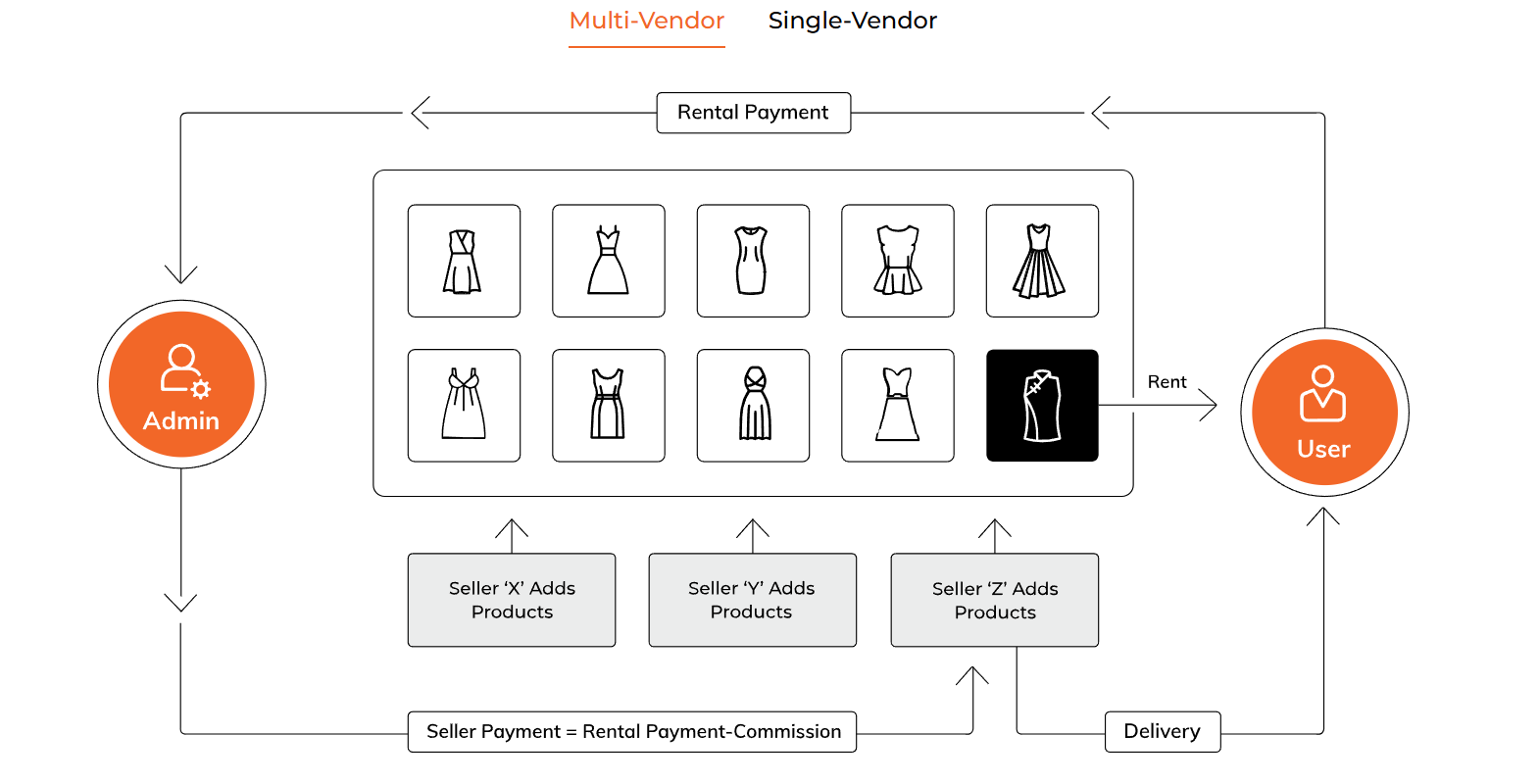
You can source dresses from several places:
- Wholesale suppliers if you want new inventory and consistent sizing
- Liquidation sales if you want lower-cost stock from past seasons
- Ex-rental inventory if you can inspect condition carefully
- Consignment partnerships with people who own designer dresses but rarely wear them
- Sample sales from boutiques or designers
- Designer partnerships if you can offer exposure, rental data, or a resale path
A smart first collection usually mixes a few hero pieces with practical high-rotation styles. Do not spend all your budget on statement gowns that rent only once in a while. Balance them with dresses customers need often, in sizes that are easier to fit, at prices that still leave room for cleaning, repairs, shipping, returns, software, and marketing.
3. Set Prices and Rental Policies
Your rental price should cover more than the cost of the dress.
Include cleaning, packaging, payment fees, handling, and repair costs when setting prices. Also create clear rules for deposits, late returns, damage, cancellations, and refunds.
For example, if a $300 dress earns about $60 after direct costs per rental, it needs around five rentals to recover its purchase cost.
4. Set Up Booking and Availability
A rental dress may be in stock but unavailable because another customer has already booked it.
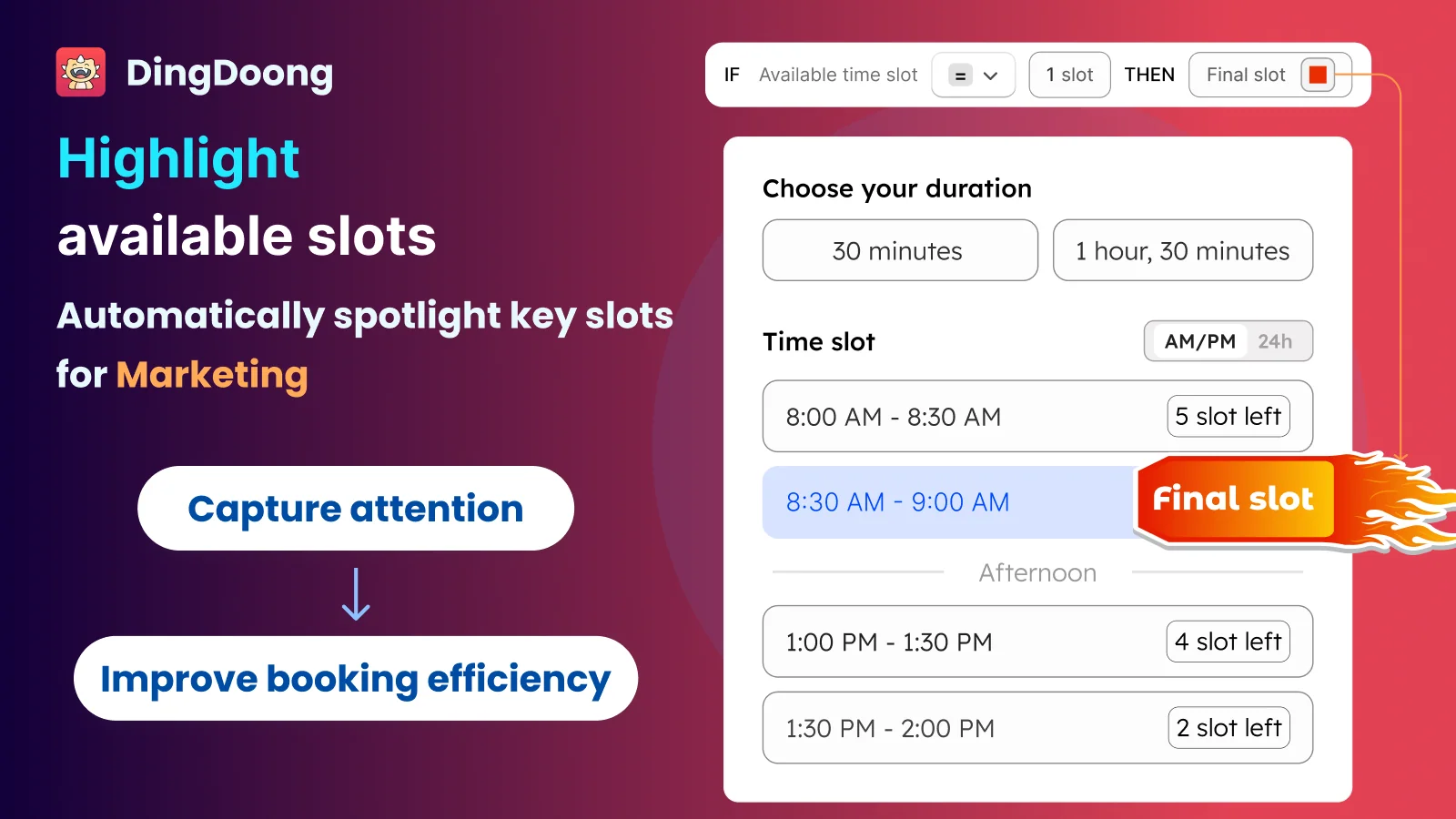
For Shopify stores, DingDoong Rental Booking Appointment can help manage rental dates, availability, capacity, notifications, and booking widgets. Multiple-day booking is especially useful when customers need a dress for several days around an event.
Merchants should also leave buffer time between bookings for inspection, cleaning, and repairs.
5. Build a Reliable Return Process and Track Results
Every returned dress should go through inspection, cleaning, repair if needed, and a final quality check before becoming available again.
After launch, track which dresses, sizes, and styles get booked most often. Use that data to decide what inventory to add next.
A smaller collection with strong demand usually performs better than a large catalog filled with dresses that rarely get rented.
Operational Challenges of Running a Dress Rental Business
A dress rental business can look simple from the outside. A customer picks a dress, chooses a date, wears it to an event, and sends it back. But for the owner, every order starts a chain of small operational tasks that have to happen in the right order.
This is what makes rental different from normal fashion retail. You are not selling a dress once and moving on. You are trying to make the same dress earn again and again without disappointing the next customer.
The first challenge is timing. A dress might come back late. It might need stain treatment. A zipper might break. The fabric might need extra steaming before it looks good enough to rent again. If another customer has booked that same dress for the following weekend, even a small delay can create a real problem.
That is why rental businesses need more than an inventory count. They need to know where each dress is, what condition it is in, and when it can realistically be rented again.
Inventory Availability Is More Complicated Than Stock Count
In a regular online store, inventory is fairly straightforward. If a product has five units in stock, five customers can buy it.
Dress rental does not work like that. A dress can be inside your studio or storage room and still not be available. It may already be booked for a future date. It may be on its way back from a customer. It may be waiting for dry cleaning, repair, inspection, or photos before it can go live again.
This gets harder as the collection grows. Each size, color, and style needs its own schedule. A customer is not just looking for any formal dress. She needs a specific style, in the right size, available for her event date, with enough time for shipping, return, cleaning, and preparation.
If this is managed with spreadsheets or manual notes for too long, double bookings become easy to miss.
Cleaning and Repairs Can Eat Into Profit
Cleaning is not a one-time setup cost. It happens after almost every rental. Some dresses may only need steaming and a basic clean. Others may need dry cleaning, spot treatment, odor removal, minor stitching, button replacement, zipper repair, or new packaging.
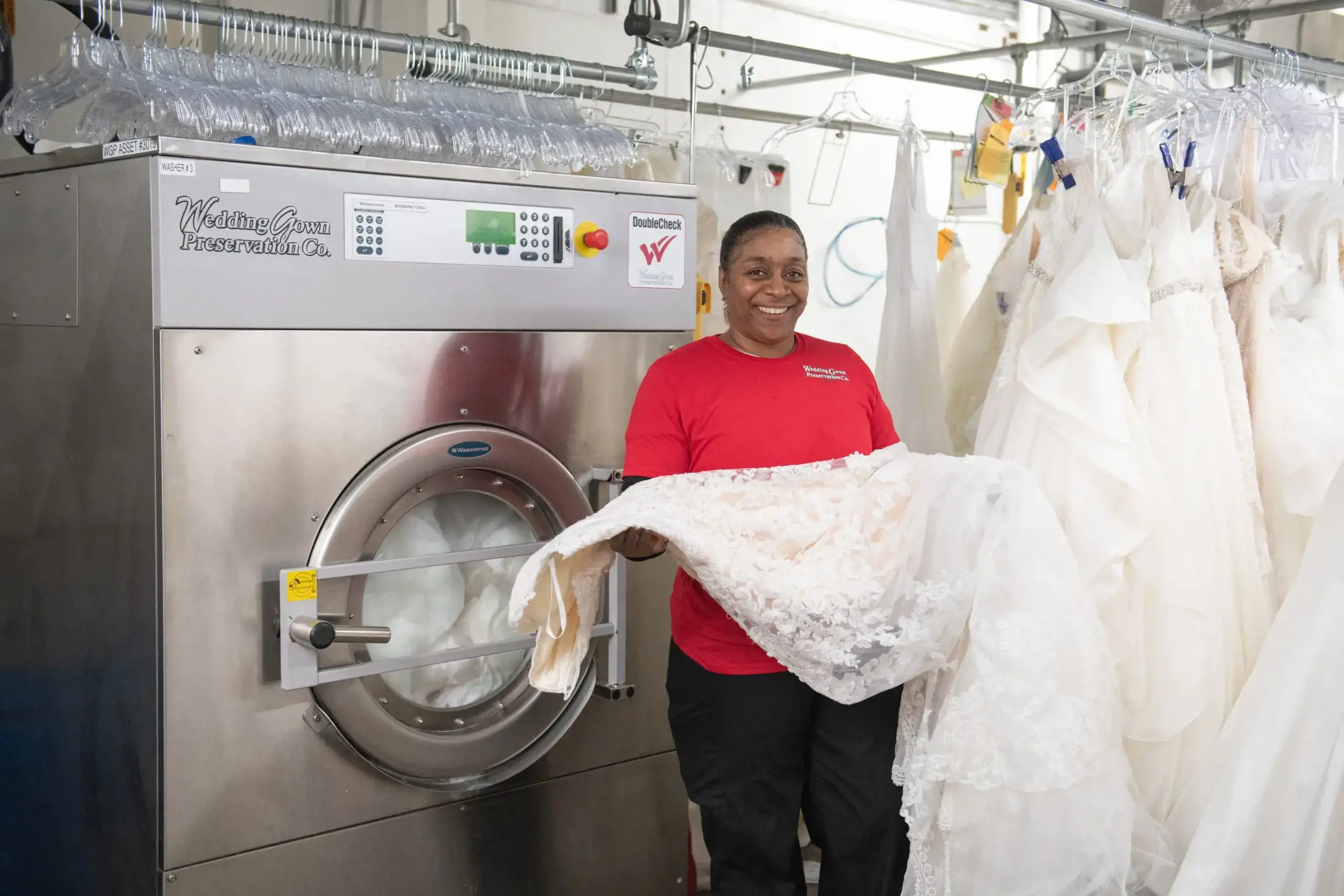
This is why a dress that looks profitable at first may not actually be a good rental item. Delicate fabrics, beading, lace, silk, sequins, tulle, and light colors can look beautiful in photos, but they may cost more to maintain.
Before buying inventory, merchants should think about more than style. A good rental dress should be attractive, but it should also survive repeated wear, be easy to clean, fit different body types, and return enough profit after maintenance costs.
Returns Need a Fixed Process
Returns are one of the most important parts of the business. If the return process is loose, the whole operation becomes messy very quickly.
Every returned dress should be checked before it becomes available again. The team needs to confirm whether the dress came back on time, inspect it for stains or damage, compare its condition with the original record, and decide whether it needs cleaning, repair, or removal from the catalog.
This process protects the next customer. No one wants to receive a dress with a loose strap, makeup stain, missing belt, or poor fit note that could have been caught earlier.
A simple return workflow also makes damage policies easier to enforce. If the business has photos and condition notes before and after each rental, it is much easier to decide whether something is normal wear or chargeable damage.
Fit Questions Create Extra Support Work
Sizing is another major challenge. Customers are often renting for weddings, proms, photoshoots, parties, or trips, so the pressure is higher than a normal clothing purchase. If the dress does not fit, they may not have time to replace it.
That means the product page has to do more work. A basic size chart is usually not enough. Rental stores should include dress measurements, model references, fabric stretch, bust and waist notes, length details, zipper information, and fit advice.
Some stores offer backup sizes, styling help, or local try-ons. These can improve the customer experience, but they also add more work behind the scenes. A backup size still needs to be reserved, cleaned, tracked, and returned.
Shipping Has Very Little Room for Error
Dress rental is usually tied to a fixed date. If a dress arrives two days late, the customer may not need it anymore.
That makes shipping more stressful than regular ecommerce. The business has to plan backward from the event date and leave enough time for delivery, try-on, the event itself, return shipping, cleaning, and the next booking.
For local rental brands, pickup and drop-off can reduce some shipping risk. For online rental brands, prepaid return labels, tracking, reminders, and clear return deadlines are essential.
Late returns are not just annoying. They can affect the next customer and reduce the number of times one dress can earn in a month.
Policies Need to Be Clear Before Problems Happen
A rental business needs clear rules before the first order goes out. Customers should understand what happens if a dress is returned late, damaged, stained, lost, or canceled close to the rental date.
The store should also explain whether cleaning is included, whether a deposit is required, how damage fees are handled, and what counts as normal wear.
Clear policies protect both sides. Customers feel more confident because they know what they are agreeing to. The business also has a fair process to follow when something goes wrong.
Cash Flow Can Be Uneven
Dress rental can be profitable because one item can generate revenue many times. But in the early stage, a lot of costs come first. Inventory, photography, packaging, storage, cleaning, repairs, software, and marketing all require money before the business has steady bookings.
Demand can also be seasonal. Wedding season, prom season, holidays, and vacation periods may bring more orders, while slower months can make cash flow tighter.
That is why owners should track more than revenue. They need to know which dresses are booked often, which sizes are always unavailable, which styles rarely move, and which items cost too much to maintain.
Useful metrics include rental frequency per dress, revenue per dress, cleaning cost, repair cost, damage rate, late return rate, most-booked sizes, and most-requested dates. These numbers help the business buy smarter instead of simply buying more.
Rental Dress Companies to Learn From
Looking at established rental dress companies helps explain how different business models can work.
Rent the Runway: Combine Rental With Resale
Rent the Runway uses subscriptions, one-time Reserve rentals, and resale. Its SEC filing shows that subscribers generated most of its fiscal 2025 revenue.
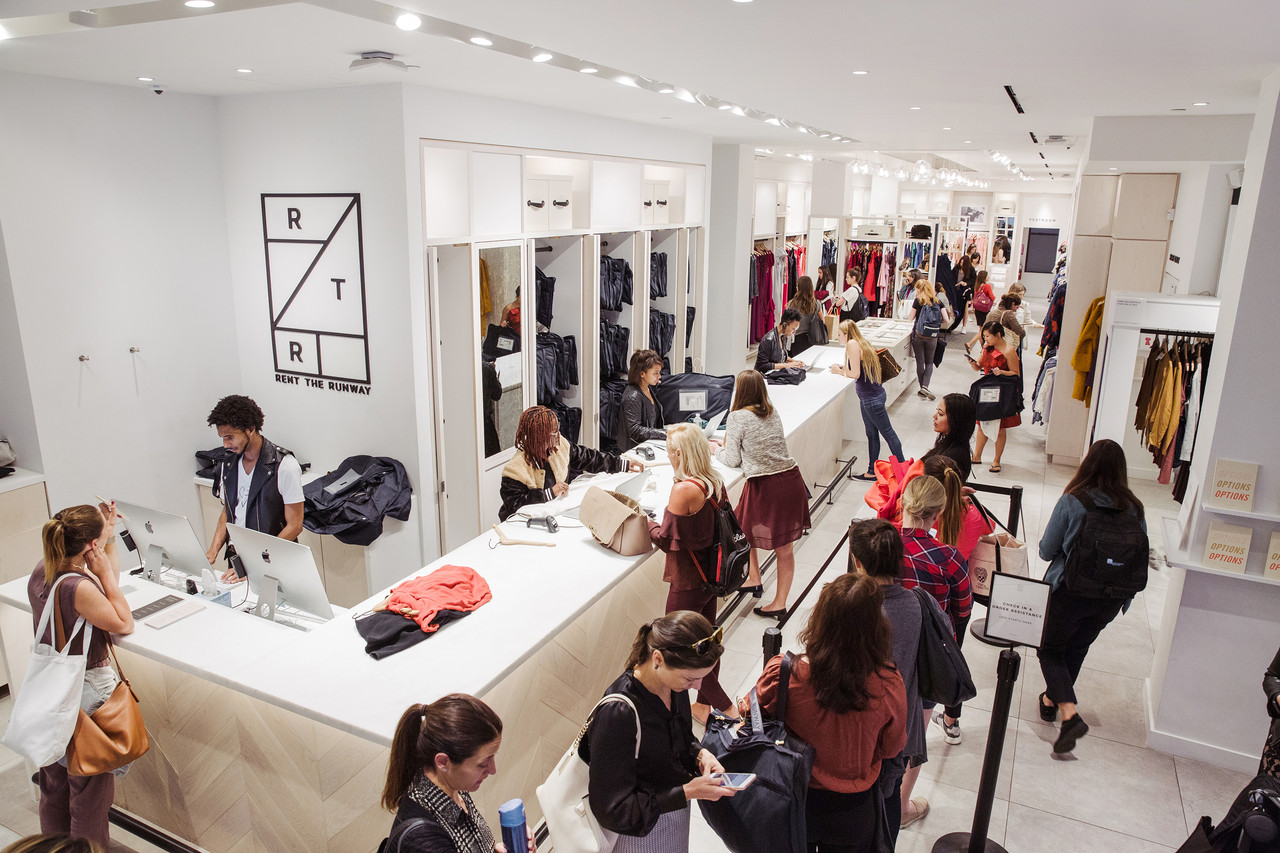
The lesson is that one item can support more than one revenue path. A dress can earn rental income first, then move into resale later.
The company also shows the importance of garment care. Returned items must be cleaned and prepared before they can earn again.
A small merchant does not need the same scale. The useful idea is to plan the full life of each dress.
Nuuly: Keep the Subscription Easy to Understand
Nuuly uses a simple monthly offer. Customers choose six items for $98 per month, with shipping and cleaning included.
That clarity reduces friction. Customers know how many items they receive and what the monthly charge covers.
A smaller rental company can apply the same lesson without copying the plan. The subscription should have a clear item limit and clear return rules.
Complex pricing may create hesitation. Simple pricing makes the service easier to compare and buy.
Manage Dress Rentals Without Double Bookings
When multiple customers attempt to reserve the same pieces from a collection, managing a dress rental company becomes highly complex. A specific dress might be physically in stock, but that doesn’t guarantee its availability for every requested date.
Without an integrated booking system, store owners often resort to tracking rental durations manually via notes, direct messages, or spreadsheets. This frequently results in overlapping reservations, missed return deadlines, and insufficient windows to clean and prepare a garment before its next booking.
The operational challenge intensifies as the inventory expands. Every single dress carries its own unique rental schedule, required buffer time, availability status, and booking history. Consequently, a single late return can disrupt subsequent customer orders if there are no built-in gaps between rentals.
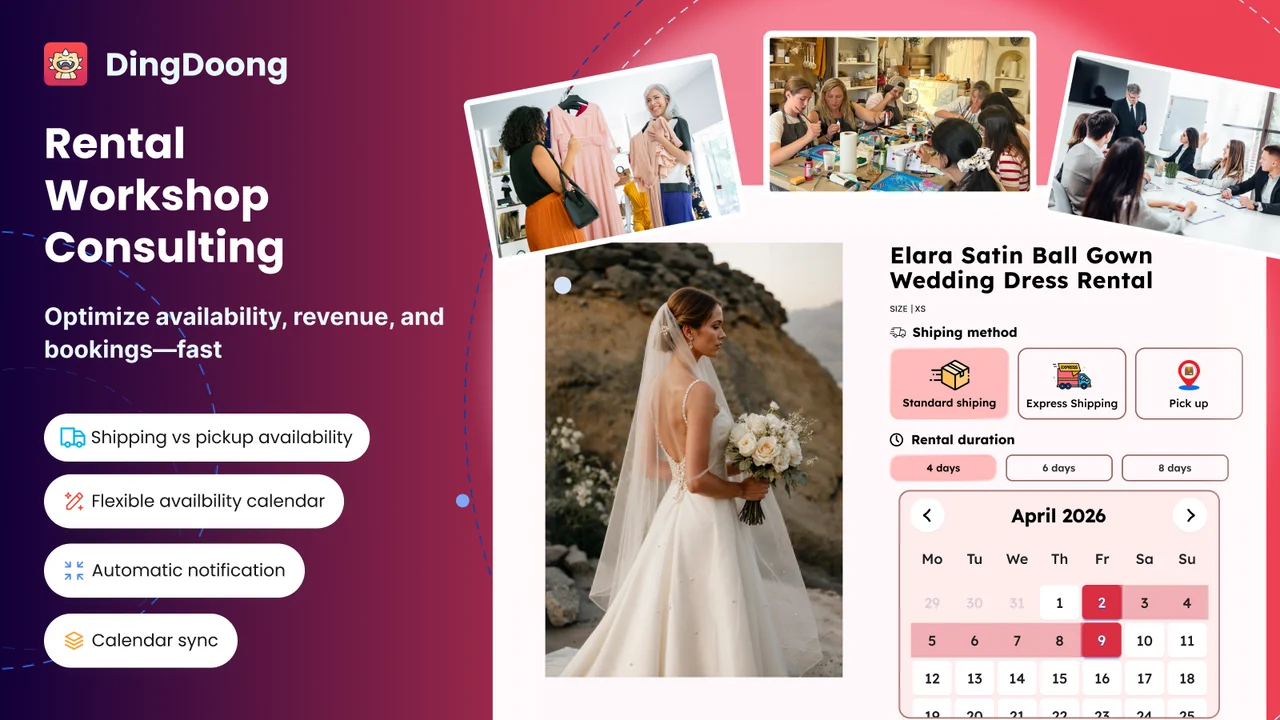
To address this, you can use DingDoong Rental Booking Appointment, a dedicated app designed to convert standard Shopify products into bookable services and rentals.
Rather than treating a dress as a typical retail item available for immediate purchase, merchants can seamlessly link it to a structured rental calendar.
This allows customers to select their preferred rental date or duration prior to finalizing their reservation.
The application offers three primary reservation models:
- Time-slot booking: Ideal for scheduling fittings, personal consultations, or brief rental windows.
- Single-day booking: Tailored for instances where a garment is needed for one specific date.
- Multiple-day booking: Perfect for weekend events, weddings, vacations, or photoshoots. This option is highly advantageous for dress rental companies.
Customers have the flexibility to select a start and end date that aligns with their event. Store owners can then set limitations on the rental length and dictate exactly when the garment returns to the active catalog.
Multi-day reservations are uniquely valuable for apparel rental businesses. While shoppers enjoy the freedom to pick their exact event window, merchants can secure vital turnaround periods between bookings to handle inspections, dry cleaning, and general preparation.
Furthermore, the app provides automated booking alerts and deposit payment collection, enabling store owners to streamline their workflow without having to supervise each individual order manually.
FAQ About Starting a Dress Rental Business
How many dresses are needed to start?
There is no fixed number. A focused collection of 20 to 50 useful dresses can be enough for testing demand.
Size coverage matters as much as total quantity. A smaller collection with useful sizing may serve customers better.
How should dress rental prices be set?
Calculate the dress cost and direct expense for each rental. Then estimate how many bookings are needed to recover the investment. Competitor pricing is useful as a market check. It should not replace the business’s own cost calculation.
Can a dress rental business start from home?
Yes, if local laws and property rules allow it. The business still needs clean storage, inventory tracking, packaging space, and return procedures.
Local licenses, insurance, taxes, and zoning requirements should be checked before launch.
What should happen when a dress is damaged?
Inspect the item and compare the condition with its pre-rental record. Decide whether the issue is normal wear or chargeable damage. Repairable dresses should stay unavailable until they pass another quality check.
Final Thoughts
The best rental dress business ideas are focused, practical, and easy for customers to understand. A clear niche gives the business a stronger starting point. Choose inventory around real demand, not a large catalog goal. Price each rental around its full operating cost. Then build reliable booking, cleaning, and return processes. Those systems protect the next customer and keep dresses earning.
A rental business grows when useful inventory stays booked and returns to service quickly. Start small, measure demand, and expand around proven winners.
Try DingDoong Free
Add a date picker to your Shopify checkout today — no developer needed.
Start free trial →