A Shopify flower shop can do much more than just show pretty photos. It can handle same-day delivery, pickup, subscriptions, and nationwide gift orders. The platform works just as well for solo florists as it does for multi-location brands.
But a Shopify flower shop isn’t won on looks alone. It’s won on the small details: clear delivery dates, fresh product photos, smart product pages, and a checkout that holds up on same-day orders. Get those right, and the shop turns into a steady source of revenue. Let’s discover how to build a Shopify flower shop that sells now!
Why Shopify Works for Florists
Flower shops have a tricky mix of needs. Orders are time-sensitive. Stock changes with the seasons. Delivery zones are small. Most bouquets need a gift message, a delivery date, and a recipient who isn’t the buyer.
Shopify handles all of this out of the box, no code needed:
- Local delivery with ZIP code zones natively, with daily order caps available through delivery scheduling apps
- In-store pickup for buyers who want to grab the order themselves
- POS for walk-ins, weddings, and event sales
- Product variants for sizes, colors, and bouquet options
- Merchants can offer recurring subscriptions by installing the free Shopify Subscriptions app or a paid third-party app
- Gift messaging through cart notes natively, or apps for richer gift-card workflows.
The online store also links to the physical shop, so stock, orders, and buyers all live in one place. That matters when someone walks in asking about an order placed online, or wants to add a vase to tomorrow’s delivery.
Shopify scales, too. A solo florist working out of a garage uses the same tools as a multi-location brand. Same dashboard. Just bigger numbers.
When Shopify Fits A Shopify Flower Shop and When It Doesn’t
Shopify works great for florists who:
- Sell ready-made bouquets, arrangements, or plants
- Offer local delivery, pickup, or both
- Run subscriptions or corporate orders
- Want to grow into weddings, events, or wholesale
- Need a POS for a physical shop
It’s a weaker pick for florists who only do custom one-off work, take every order over the phone, or already run on a florist-specific platform they’re happy with.
Most flower shops fall in the first group. That’s why Shopify shows up in so many florist case studies.
What Do All The Best Shopify Florist Websites Have?
Before launching a flower shop on Shopify, study the brands that already win. The strongest Shopify florist websites share three traits: clean visual storytelling, occasion-led navigation, and zero confusion at checkout. Copy these patterns, and the shop saves months of trial and error.
What Great Flower Shop Homepages Do Right
Strong florist homepages answer the buyer’s three most urgent questions in the first scroll: What can I order? When will it arrive? Is this the right gift?
Occasion-First Navigation
Most flower buyers don’t shop by flower type. They shop for a reason. A buyer typing “anniversary flowers” doesn’t care if the bouquet has lilies or roses – they care that it fits the moment.
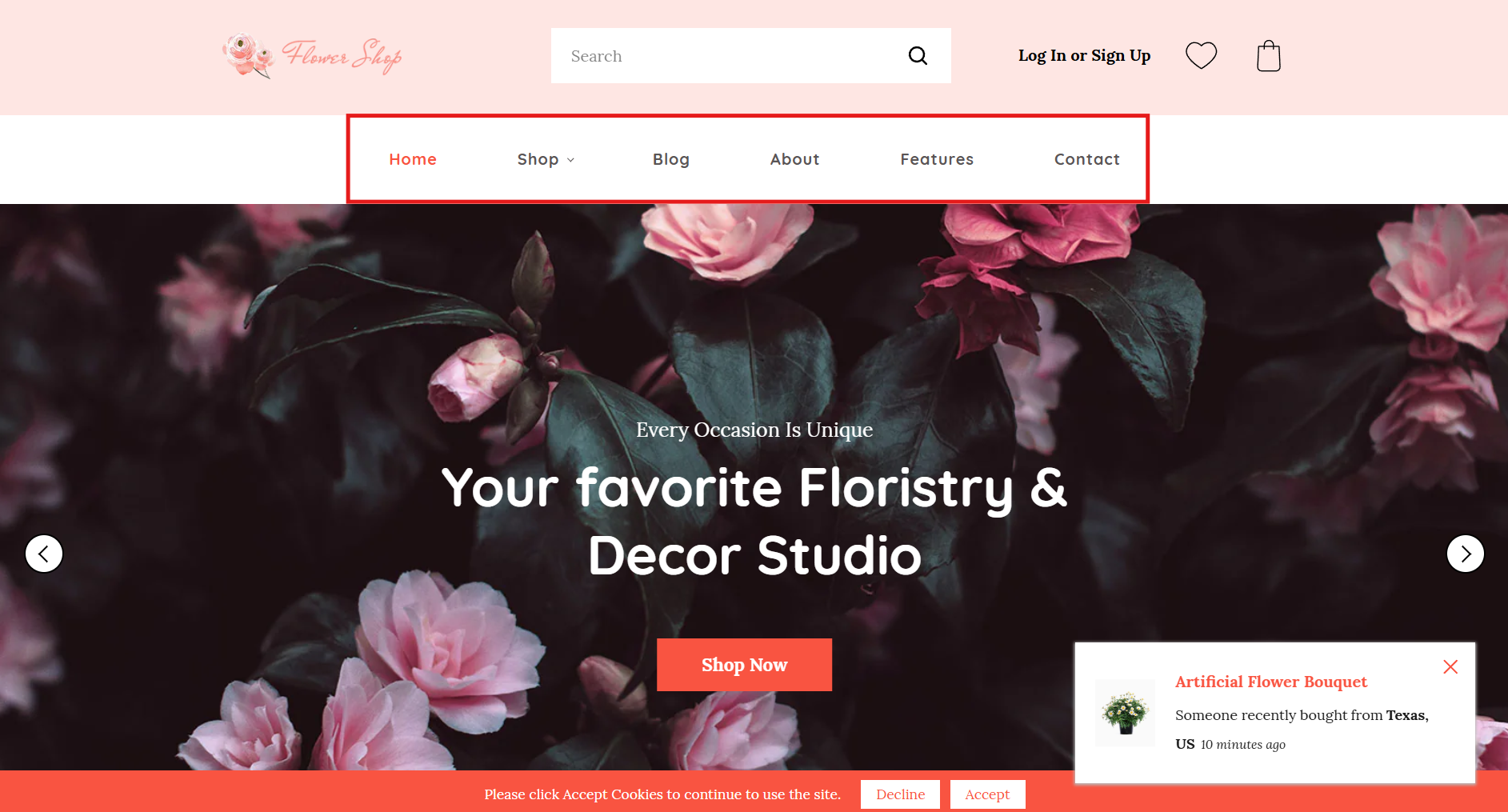
Top florists lead with categories like Birthday, Sympathy, Anniversary, Get Well, and Just Because. Some go further with sub-categories like “For Mom,” “For a Coworker,” or “Last-Minute Gifts.” This kind of menu cuts decision time in half and pushes hesitant gifters toward checkout.
Delivery Transparency Up Front
Nothing kills a flower order faster than filling a cart, hitting checkout, and finding out delivery isn’t available. The best florist sites prevent this with:
- A ZIP code checker on the homepage
- A visible same-day cutoff timer (“Order by 2 PM for delivery today”)
- Clear icons for pickup, local delivery, and nationwide shipping on every product
This single shift can meaningfully lift conversion – research shows real-time inventory visibility improves conversion rates by up to 15%, as it reduces the frustration of buyers bouncing to check a competitor’s site for availability.
Real Photography, Real Scale
Flat-lay studio shots look polished but hurt conversion. They don’t show the buyer how big the bouquet actually is. Top sites use:
- A hero shot of someone holding the bouquet (instant scale reference)
- 3 to 5 product photos per item, including a close-up and a lifestyle shot
- Real photos from past buyers in the review section
Buyers trust what they can size up. A bouquet that looks great in a studio shot but turns out to be palm-sized in real life creates refunds and bad reviews.
Product Page and Checkout Features That Convert
The product page is where most florist sales are won or lost. The strongest Shopify florist websites customize the default Shopify flow with these add-ons:
| Feature | Why It Works |
| Card message box (with suggested wording) | Most flower orders are gifts. Buyers freeze on what to write. Suggestions speed them through. |
| Delivery date calendar | Buyers want to pick a specific day, not guess. Black out Sundays, holidays, or full days. |
| Time slot upgrades | Morning or afternoon windows (often for a small fee) lift average order value. |
| Subscription prompt | A “Deliver every 2 weeks” option turns a one-time gift into recurring revenue. |
| Add-on upsells | Vases, chocolates, balloons, and cards shown right before checkout boost AOV by 20% or more. |
| Recipient phone field | Drivers need this for failed-delivery contact. Saves redelivery headaches. |
| Substitution policy | “We may swap flowers based on seasonal availability” sets honest expectations. |
Skip even one of these, and the buyer either bounces or floods the inbox with questions.
Industry Examples Worth Studying
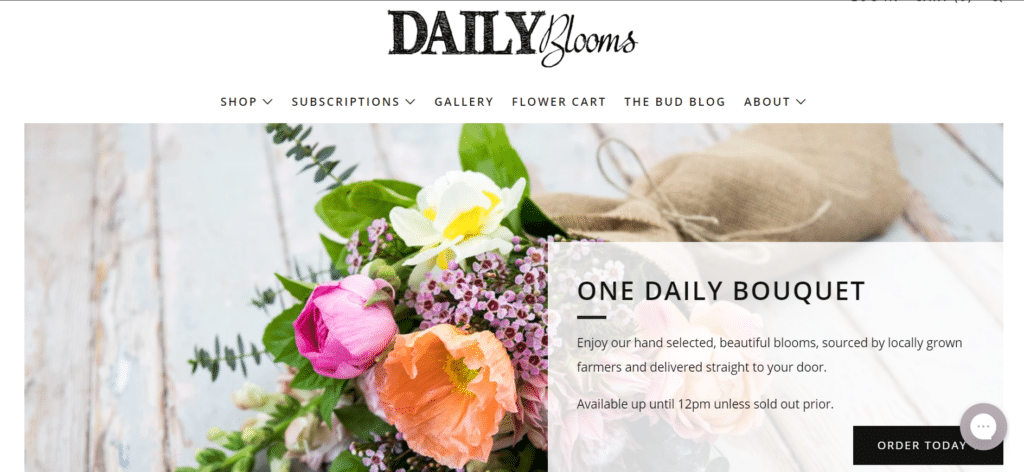
- UrbanStems – A masterclass in occasion-based shopping. The catalog splits cleanly into Birthday, Romance, Sympathy, and seasonal drops. Same-day delivery zones show up early in the flow, so buyers know what’s possible before they invest time.
- Bouqs Co. – The strongest subscription pitch in the category. Pricing tiers are easy to scan, and the gift-card path feels effortless.
- Farmgirl Flowers – wins on brand voice and sustainability storytelling. The signature burlap-wrapped bouquets and the ‘we pick, you trust us’ editorial framing (instead of letting buyers customize) reduce choice paralysis and reinforce the brand’s curated identity.
- Tonic Blooms – Calming color palette paired with a checkout that feels as easy as walking into a shop. Worth studying for visual design balance.
- Native Poppy – Strong example of a small local florist using Shopify well. ZIP code restriction is visible immediately, and the brand voice feels like a real shop, not a corporate florist.
Finally, here are some quick lessons worth copying. Save it, you might need later:
- Lead with the reason for the purchase, not the flower type. Buyers shop on occasion.
- Show delivery rules before the cart, not after. Hidden delivery info kills conversion.
- Make gift messaging frictionless. A blank box scares buyers. Suggestions help.
- Use real photos with scale references. Flat lays are pretty; people-holding-flowers shots sell.
- Pitch subscriptions on the product page, not buried in the menu.
Match these patterns, and the shop already does more than half of what the top florist brands do right.
Best Shopify Flower Shop Themes
The right theme makes a flower shop look professional without custom design work. Here are the strongest picks.
Free Themes That Work for Florists
- Dawn – Shopify’s flagship free theme. Clean, fast, and image-friendly. A solid starting point for solo florists.
- Refresh – Built for food and lifestyle brands but works well for florists who want a soft, modern look.
- Sense – Bright, colorful, and good for shops with a strong brand palette.
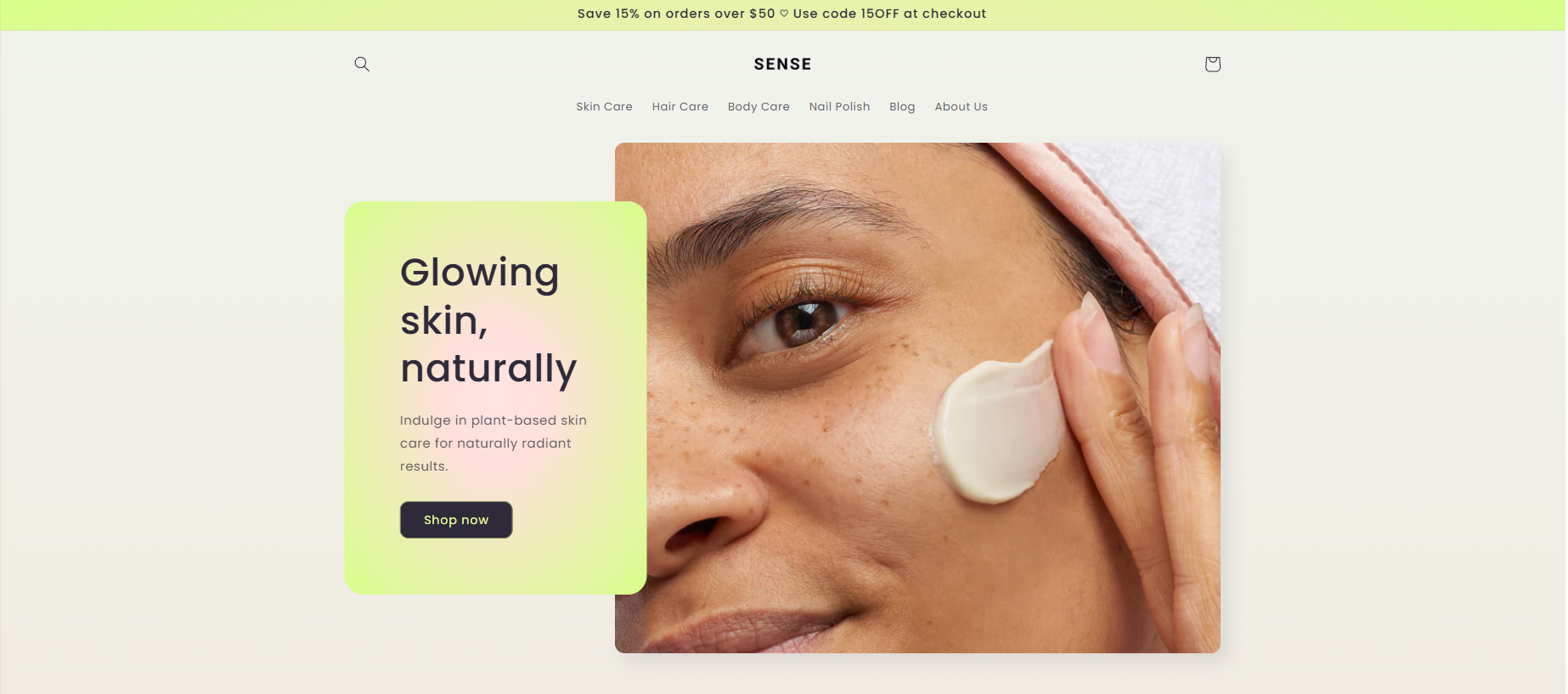
These aren’t florist‑only themes, but they’re free, maintained by Shopify, and used by many niche brands. With the right imagery and colors, they work very well for florists
Paid Themes for Florists
A paid Shopify flower shop theme usually runs between $280 and $400 (one-time fee). Worth the cost for shops that want richer features without app overload.
| Theme | Best For | Why It Works |
| Impulse | Mid-size florists with big catalogs | Quick-buy buttons, mega menu, strong filters |
| Prestige | High-end flower brands | Premium look, big imagery, slow elegant feel |
| Symmetry | Seasonal florists | Easy to swap heroes for holidays |
| Empire | Multi-collection shops | Strong category navigation, good for gifting |
| Flora-specific themes on ThemeForest | Niche flower brands | Built-in features like delivery date pickers, vase galleries |
What to Look for in a Theme
Don’t pick a theme based on the demo store’s photos. Look for:
- Mobile-first design – Shopify data shows 69% of orders across its platform are placed on mobile. A theme that looks great on a desktop but breaks on a 6-inch screen will cost you the majority of your buyers.
- Quick-buy or quick-add to reduce clicks for gifters
- Built-in support for pickup and delivery options
- Easy variant selection for size and add-ons
- Sticky add-to-cart on long product pages
- Fast load times without heavy animations
A pretty theme that loads slowly costs sales. Test the demo on a phone before buying.
Must-Have Apps for a Shopify Florist
This is the single most important app category for florists. Native Shopify has no built-in delivery scheduling – buyers can’t pick a date or time slot, and merchants have no way to control capacity. For a flower shop, that creates four real operational problems:
- Last-minute and overloaded orders. With no cutoff times, someone places an order at 4:55 PM for 5 PM delivery. Or a Saturday morning fills up with 30 arrangements before you’ve even finished your coffee. The workshop can’t physically keep up.
- Pickup vs. delivery conflicts. A customer walks in for the last bunch of peonies – but those peonies were already promised to an online delivery scheduled for 2 PM. Without a system that separates the two channels, you end up apologizing to someone.
- Peak days that break the team. Mother’s Day. Valentine’s Day. Without daily order caps, the orders keep rolling in long after you can actually fulfill them. One brutal weekend can undo months of good reviews and repeat customers.
- A date picker is showing up where it doesn’t belong. Gift cards, dried bouquets, and items you ship nationwide don’t need a delivery date. But without product-level controls, the calendar still pops up and confuses the buyer. Some abandon the cart. Others guess and get it wrong.
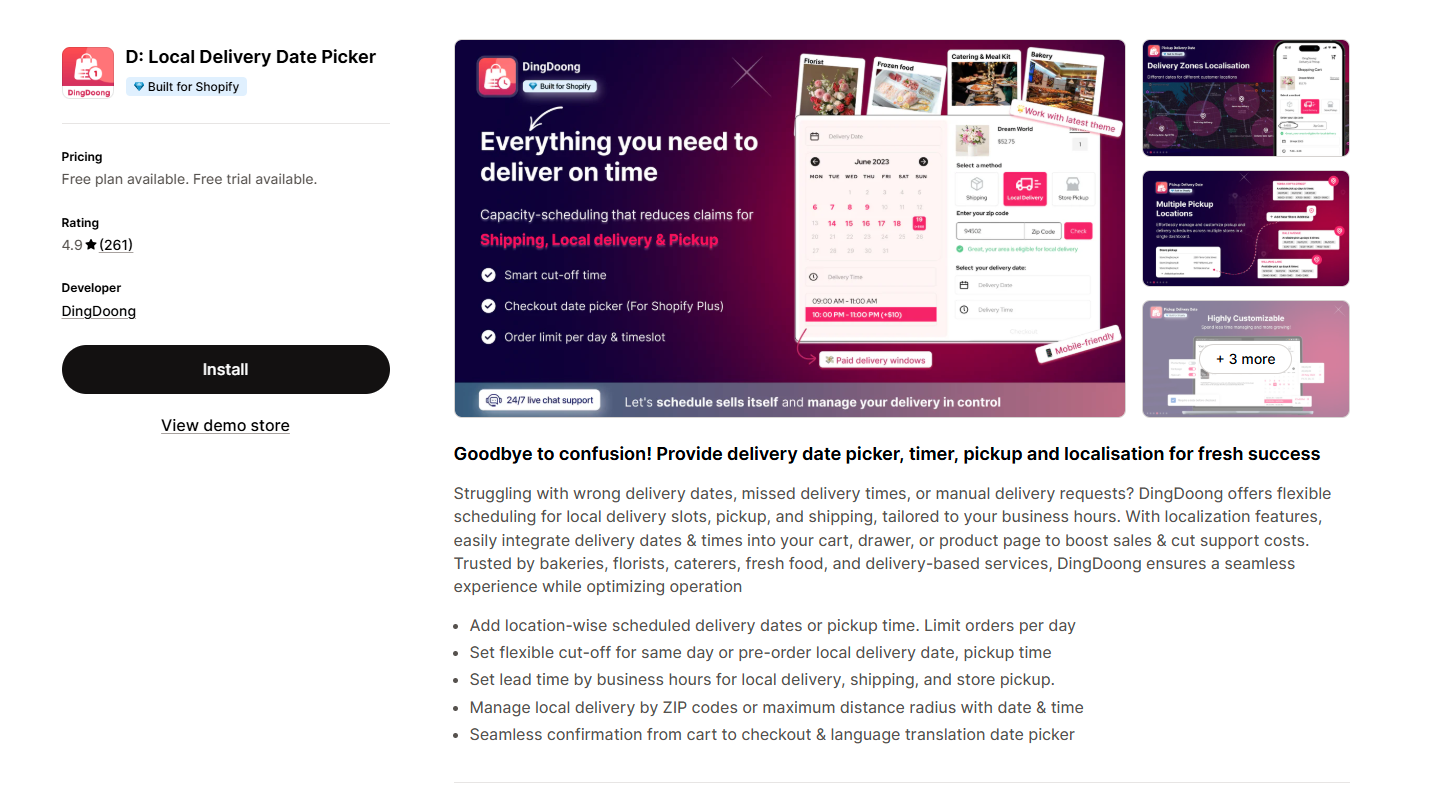
Apps like DingDoong: Delivery Date & Pickup fix this gap. At checkout, buyers pick the exact date, time window, and whether they want delivery or pickup. On your side, you get:
- Flexible cutoffs per day – close same-day orders the minute the last van pulls out
- Daily order caps – set a limit on how many arrangements your team can handle per slot
- Product-based rules – show the date picker only on products that actually need it
- Blackout dates – mark Sundays, holidays, or fully booked days as unavailable
- Omnichannel support – separate schedules for local delivery, shipping, and in-store pickup, across multiple locations
The result? Fewer “when will my flowers arrive?” emails. No more prep wasted on orders you have to cancel. And a daily schedule that the team can actually pull off without burning out. Also, there are some other useful apps you might want to discover more.
| Category | Why It Matters |
| Subscriptions (Recharge, Loop, Bold) | Recurring flower drops, predictable revenue |
| Reviews (Judge.me, Trustify) | Visual reviews of real bouquets buyers received |
| Loyalty (Smile, LoyaltyLion) | Repeat-buyer rewards, gift card programs |
| Email/SMS (Klaviyo, Ecomsend) | Order reminders, holiday campaigns, win-back flows |
| Upsell (ReConvert, Bold Upsell) | Vase, chocolate, and card add-ons |
| Inventory (Stocky, native Shopify) | Track stem counts and vase inventory |
Final Thoughts on Building a Shopify Flower Shop
Flowers are an emotional purchase. Buyers don’t just want a product. They want the recipient to feel something. A great Shopify flower shop earns trust by making every step feel easy: clear delivery dates, real photos, simple gift messaging, and a checkout that just works. The florists winning on Shopify aren’t the ones with the prettiest sites. They’re the ones with the clearest delivery info, the strongest product photos, and the smoothest checkout. Match that, and the rest follows.
Try DingDoong Free
Add a date picker to your Shopify checkout today — no developer needed.
Start free trial →